Unraveling the Yellow Wallpaper: A Multifaceted Exploration of Charlotte Perkins Gilman’s Masterpiece
Associated Articles: Unraveling the Yellow Wallpaper: A Multifaceted Exploration of Charlotte Perkins Gilman’s Masterpiece
Introduction
With enthusiasm, let’s navigate by means of the intriguing matter associated to Unraveling the Yellow Wallpaper: A Multifaceted Exploration of Charlotte Perkins Gilman’s Masterpiece. Let’s weave attention-grabbing data and provide contemporary views to the readers.
Desk of Content material
Unraveling the Yellow Wallpaper: A Multifaceted Exploration of Charlotte Perkins Gilman’s Masterpiece
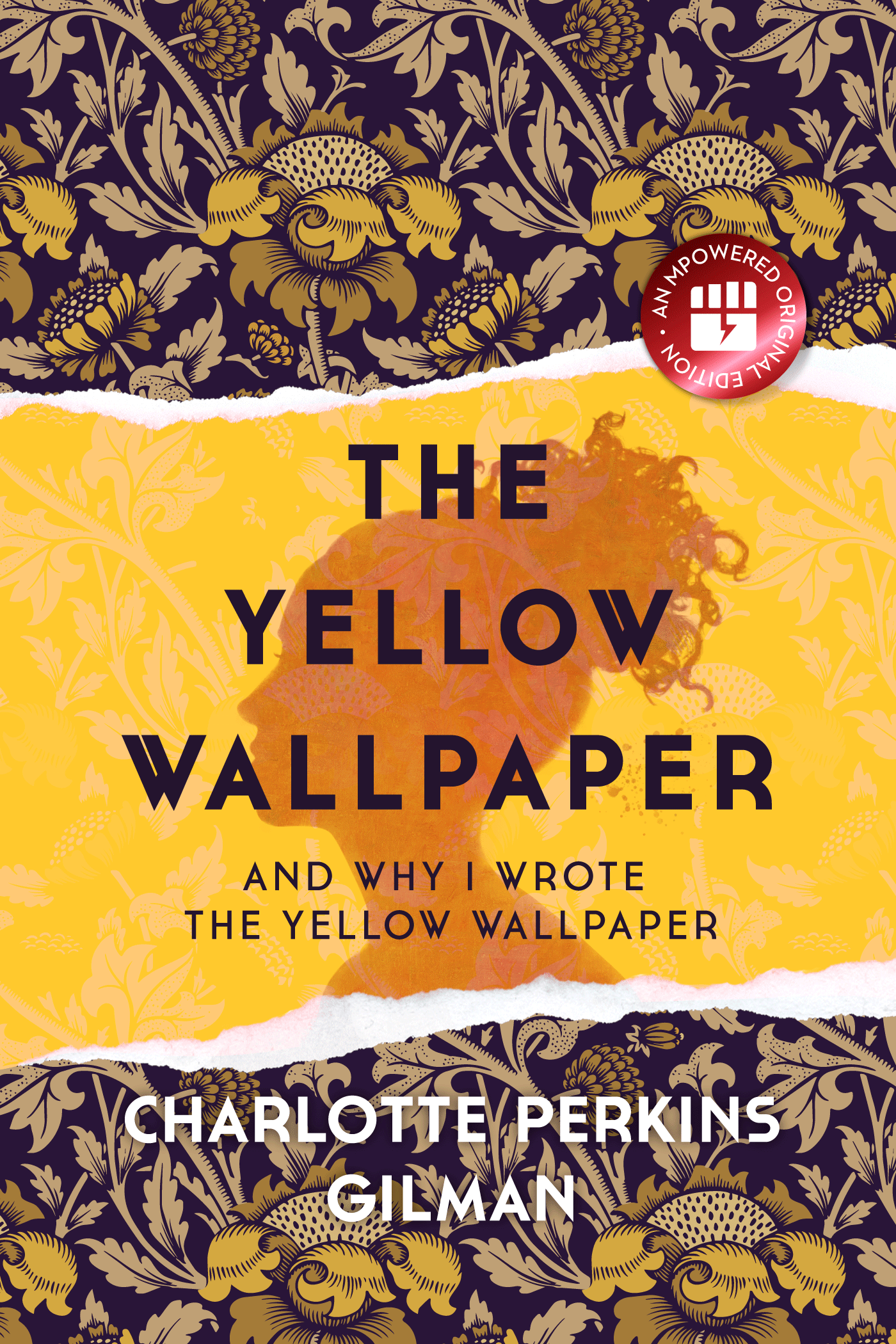
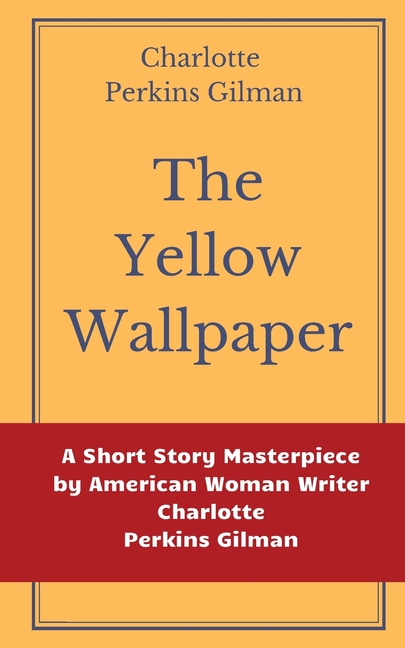
Charlotte Perkins Gilman’s "The Yellow Wallpaper," a chilling brief story printed in 1892, transcends its style to change into a potent image of the restrictive societal expectations positioned upon girls within the late nineteenth century. Greater than only a story of confinement and psychological deterioration, the story capabilities as a strong critique of patriarchal medical practices, the stifling nature of domesticity, and the silencing of feminine voices. By its evocative imagery, symbolic language, and unreliable narrator, the story continues to resonate with readers at this time, prompting ongoing important evaluation and sparking numerous interpretations.
One of the crucial compelling features of the story is its unreliable narrator, the unnamed protagonist. Her descent into insanity is just not a simple development however a gradual, unsettling unraveling, mirroring the erosion of her autonomy and selfhood. Her more and more erratic descriptions, coupled together with her husband John’s dismissive angle in direction of her situation, elevate essential questions in regards to the validity of medical diagnoses and the ability dynamics inside the doctor-patient relationship, significantly when the affected person is a girl. Was she actually affected by "non permanent nervous melancholy," as John diagnoses, or was her sickness a direct results of her confinement and the suppression of her inventive and mental impulses?
The "relaxation remedy," prescribed by John, satirically turns into the catalyst for her decline. Removed from offering relaxation and recuperation, the enforced idleness and isolation serve solely to exacerbate her psychological state. Confined to a room with unsettling yellow wallpaper, she is denied mental stimulation, social interplay, and any type of self-expression past her more and more fragmented journal entries. This enforced inactivity instantly contributes to her rising obsession with the wallpaper, remodeling it from a mere ornamental aspect right into a potent image of her personal entrapment.
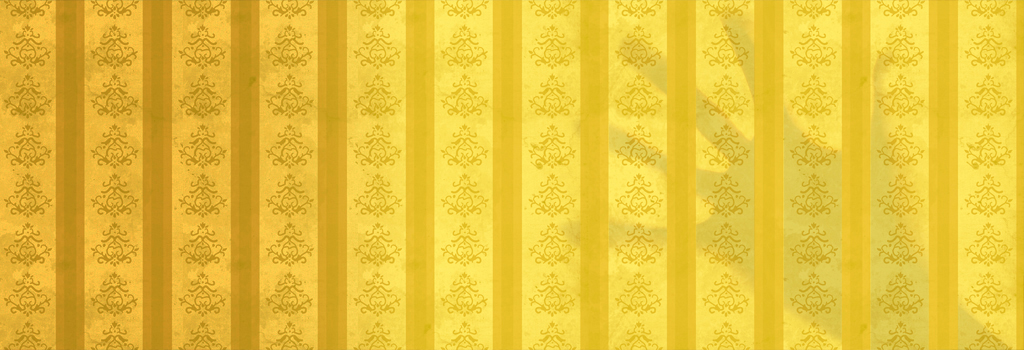
The wallpaper itself turns into a central motif, laden with symbolic significance. Its unsettling sample, described as "uninteresting yellow," "smudged," and "repellent," mirrors the protagonist’s personal deteriorating psychological state. The repetitive nature of the sample displays the monotonous and stifling routine of her confinement, whereas its ambiguity permits for a number of interpretations. Some critics see the wallpaper as a illustration of the patriarchal constructions that confine girls, others interpret it as a manifestation of the protagonist’s personal repressed needs and creativity, and nonetheless others view it as a logo of the unconscious thoughts struggling to interrupt free.
The story’s ambiguity is a key aspect of its enduring energy. The dearth of clear-cut solutions permits for a variety of interpretations, making it a wealthy textual content for important evaluation. The protagonist’s evolving notion of the wallpaper, from preliminary dislike to obsessive fascination and eventually, identification, displays her personal journey into insanity. Her descriptions change into more and more surreal and hallucinatory, blurring the traces between actuality and delusion, leaving the reader to query the character of her expertise and the reliability of her perceptions.
The connection between the protagonist and her husband, John, is one other essential side of the story. John, a doctor, embodies the patriarchal authority that dictates the protagonist’s remedy and confines her to a lifetime of home servitude. His condescending angle and dismissal of her anxieties spotlight the medical career’s failure to acknowledge and deal with the distinctive psychological well being challenges confronted by girls throughout this period. He represents the societal forces that suppress feminine company and mental pursuits, forcing girls into roles that stifle their creativity and self-expression. His insistence on relaxation and his dismissal of her inventive writing, her solely outlet, additional underscores his management and the stifling nature of their relationship.
The story’s ending is each ambiguous and highly effective. The protagonist’s remaining act of tearing down the wallpaper may be interpreted in a number of methods. It may be seen as an act of rise up towards the confining forces which have formed her life, a symbolic breaking free from the constraints of patriarchal society. It will also be interpreted as a manifestation of her descent into full insanity, her lack of ability to differentiate between actuality and fantasy. This ambiguity reinforces the story’s unsettling energy, leaving the reader to grapple with the complexities of the protagonist’s expertise and the broader societal points it represents.
Moreover, the story’s historic context is essential to understanding its significance. Written at a time when girls’s roles have been largely confined to the home sphere, the story serves as a strong indictment of the societal pressures and medical practices that contributed to girls’s psychological well being struggles. The "relaxation remedy," a well-liked remedy for "nervous problems" within the late nineteenth century, usually concerned isolation and enforced inactivity, satirically exacerbating the very circumstances it was supposed to deal with. Gilman herself skilled this remedy, lending a strong autobiographical dimension to the story.
The usage of symbolism all through the story provides one other layer of complexity. The room itself, with its barred home windows and restrictive ambiance, symbolizes the protagonist’s confinement and lack of freedom. The creeping vines outdoors the window, initially seen as a logo of nature and life, change into entangled with the wallpaper, reflecting the protagonist’s rising entanglement in her personal psychological state. The recurring motif of the yellow colour may be interpreted as representing each illness and decay, but additionally, paradoxically, as a logo of hope and rebirth, because the protagonist finally breaks free from her confinement.
Past its literary advantage, "The Yellow Wallpaper" has had a profound impression on feminist literature and psychological well being discourse. It sparked conversations in regards to the medicalization of feminine expertise and the necessity for a extra nuanced understanding of girls’s psychological well being. The story’s enduring recognition testifies to its potential to resonate with readers throughout generations, prompting ongoing discussions about gender inequality, the ability of language, and the significance of acknowledging and addressing the distinctive challenges confronted by girls in a patriarchal society.
In conclusion, "The Yellow Wallpaper" is just not merely a narrative a few girl’s descent into insanity; it’s a multifaceted exploration of societal constraints, medical malpractice, and the battle for feminine autonomy. By its unreliable narrator, potent symbolism, and ambiguous ending, the story continues to impress important evaluation and encourage readers to query the ability constructions that form our lives and the methods during which we perceive and deal with psychological sickness. Its enduring relevance lies in its potential to light up the continued battle for girls’s liberation and the pressing want for a extra equitable and compassionate method to psychological healthcare. The questions it raises – about societal expectations, medical authority, and the silencing of feminine voices – stay as pertinent at this time as they have been over a century in the past.



Closure
Thus, we hope this text has offered beneficial insights into Unraveling the Yellow Wallpaper: A Multifaceted Exploration of Charlotte Perkins Gilman’s Masterpiece. We recognize your consideration to our article. See you in our subsequent article!